



Marussia

2 Likes

0 Share
About
Marussia Motors was founded in 2007 by Nikolay Fomenko, a famous Russian singer and actor.
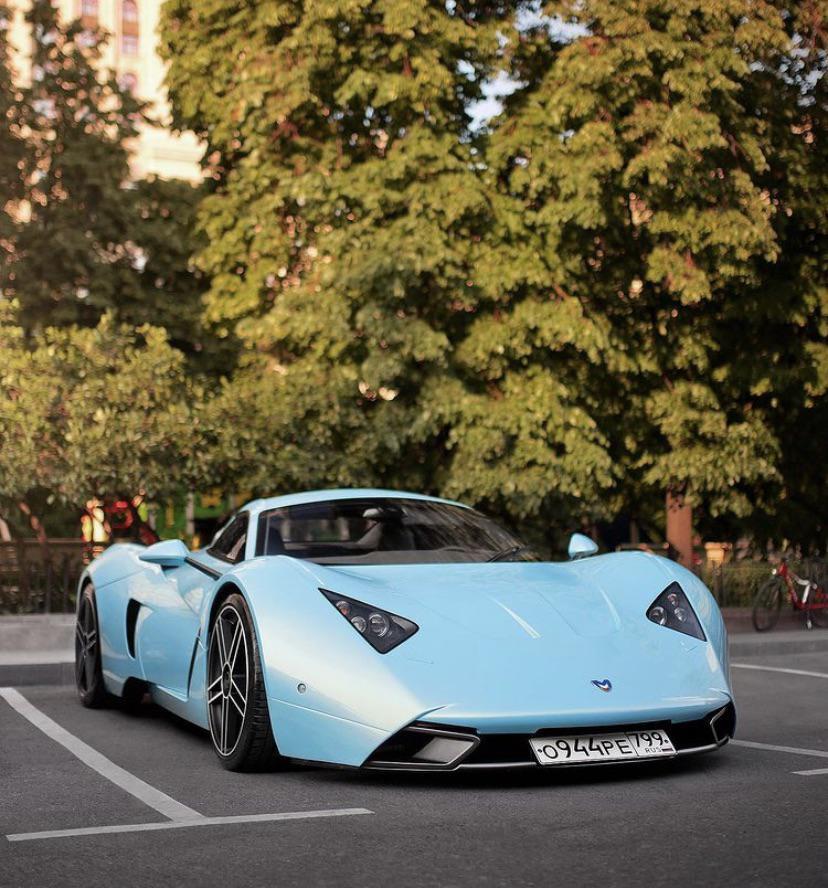
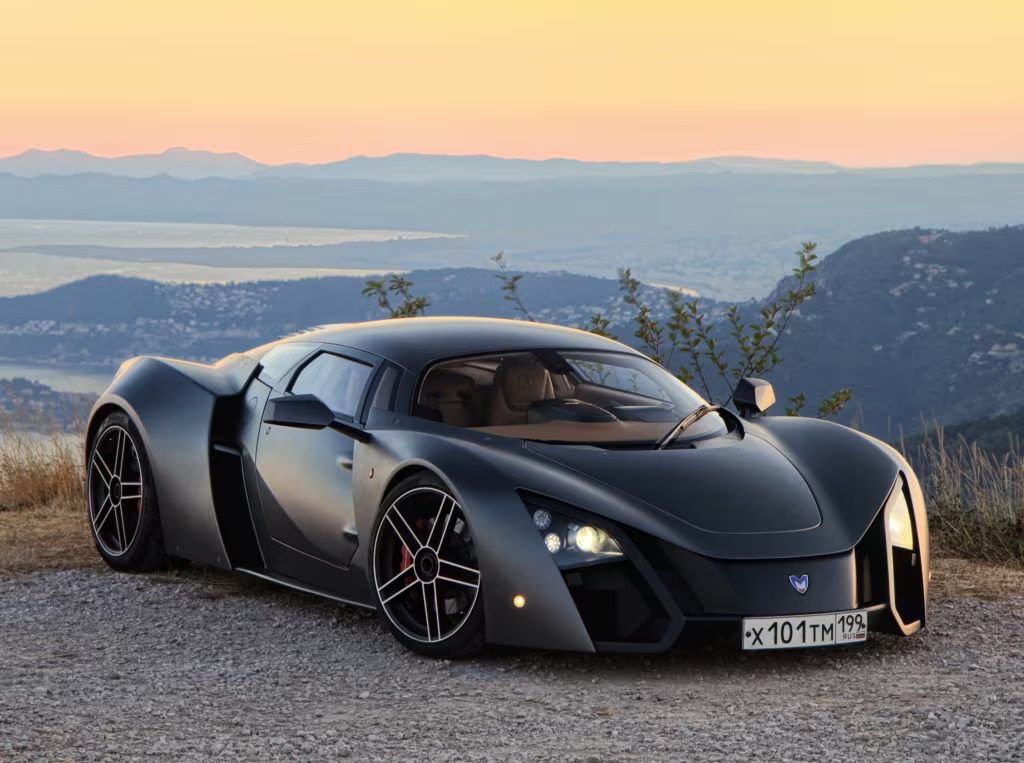
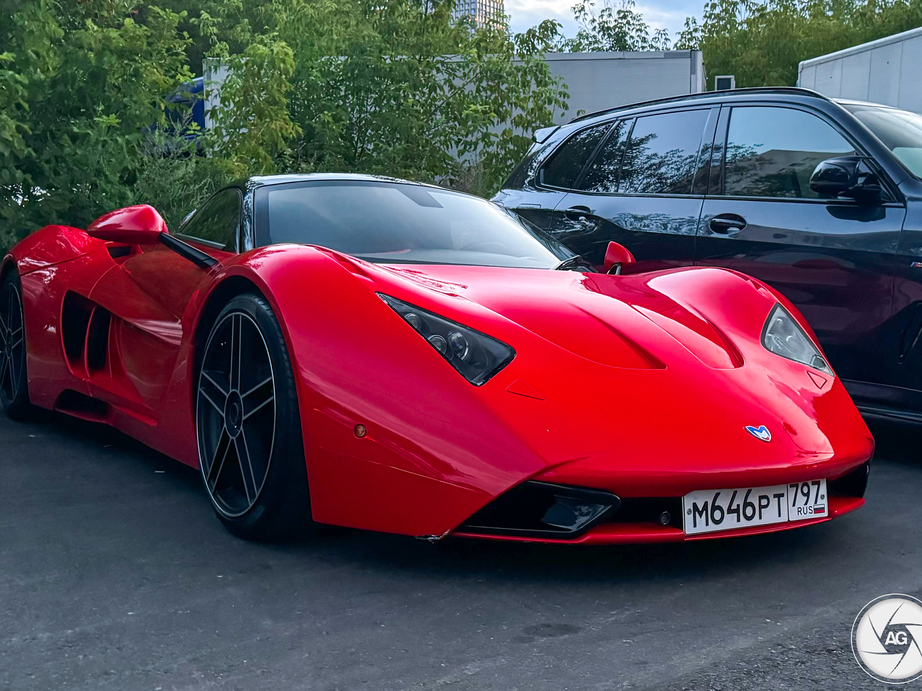
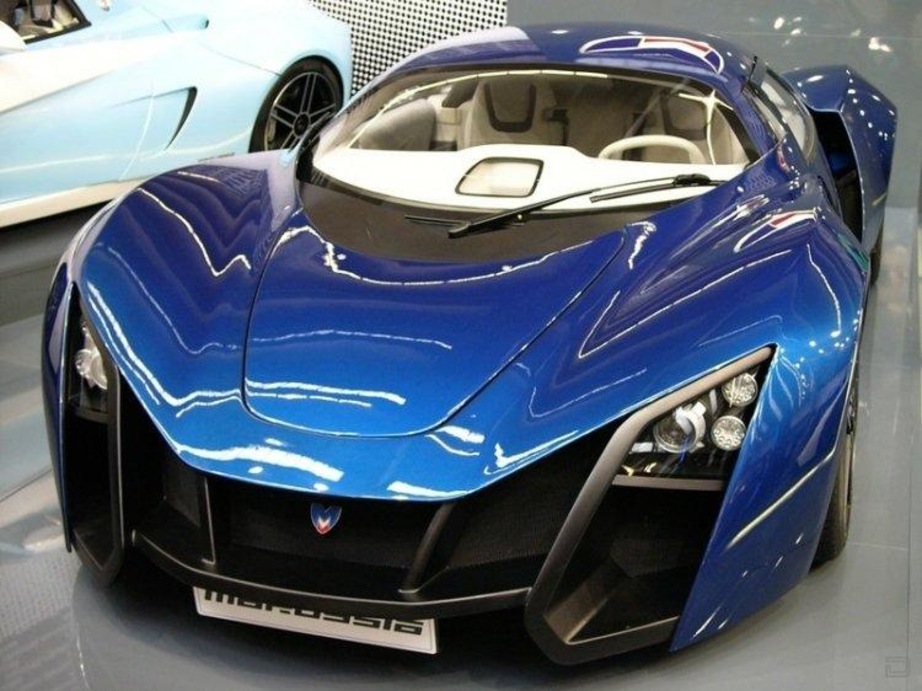
The first announced prototype was the Marussia B1, and a little later, the Marussia B2 was unveiled. The difference between these two models was only in body shape and design. Most of the cars were equipped with a 3.5-liter Nissan VQ35 V6 engine. This engine had several modifications, so power output varied from 215 to 320 hp. Later, it was decided to stop using Renault-Nissan engines in exhibition models due to a conflict with Renault. Years later, Marussia’s management tried to reach an agreement with Cosworth, but only two cars were fitted with Cosworth engines.
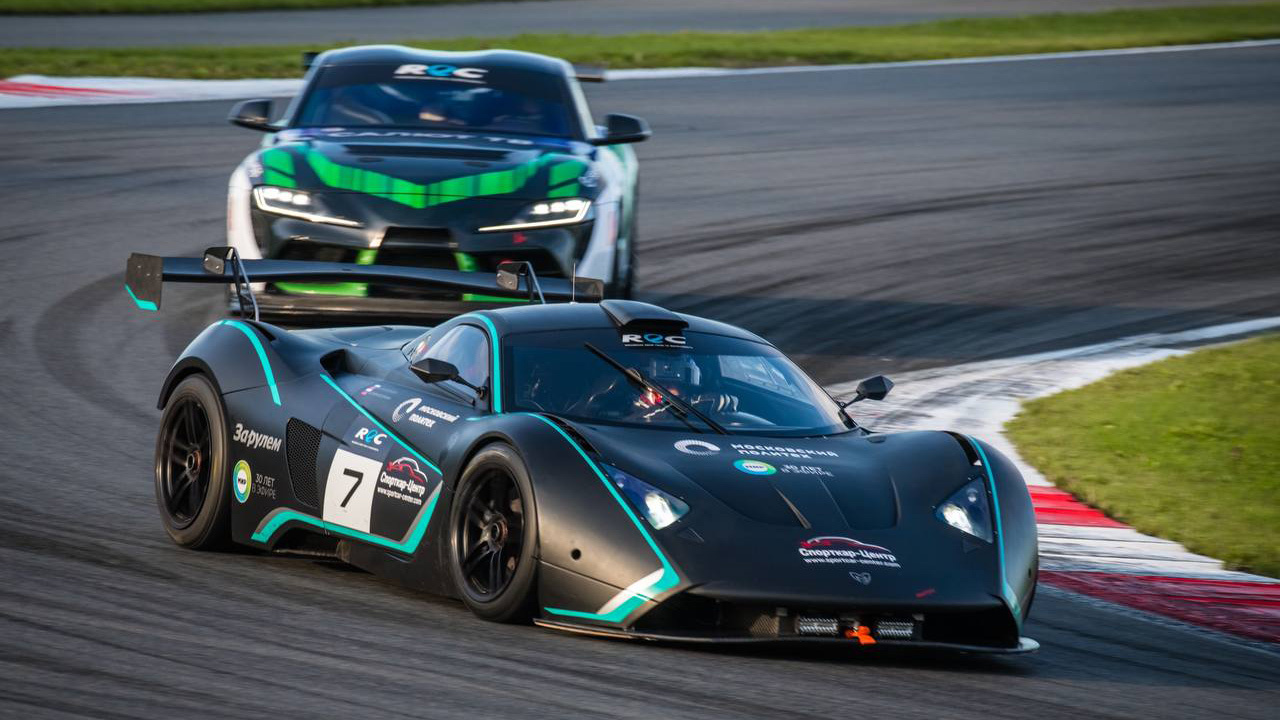
E.M.M. began funding the first phase of the project — the creation of the B1 concept. Initially, the car was planned exclusively for GT racing series. By March 2008, a team of engineers had already been assembled, and many sketches and technical documents had been prepared. In August 2008, the first chassis was completed and fitted to a body mock-up.
In 2009, E.M.M. established a new company, Marussia Motors, which would be responsible for the development and production of sports cars, while E.M.M. would become the company’s distribution arm.
The first vehicles were assembled in rented facilities at the ZIL factory, and by the end of 2009, production moved to rented premises at the Snezhinka factory in Moscow.
In May 2010, a crossover called Marussia F2 was announced — only one car was built. In September 2010, the first showroom in Moscow was opened. At the end of 2010, the Marussia B1 GT, based on the B1 model, was built and conducted its first tests, but further development of the project was discontinued, as the company decided to focus on Formula 1 sponsorship and promotion instead.
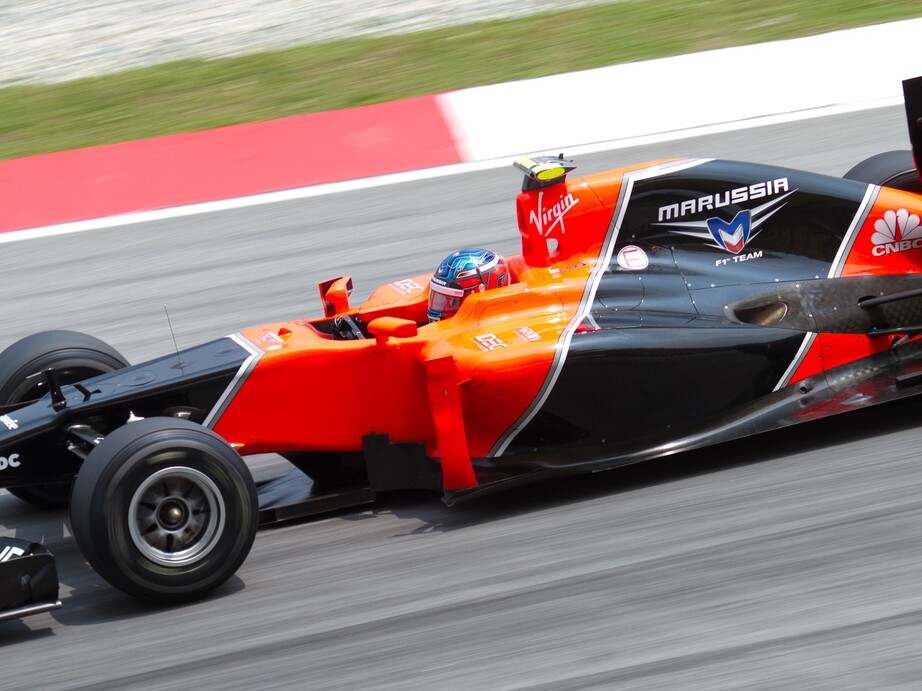
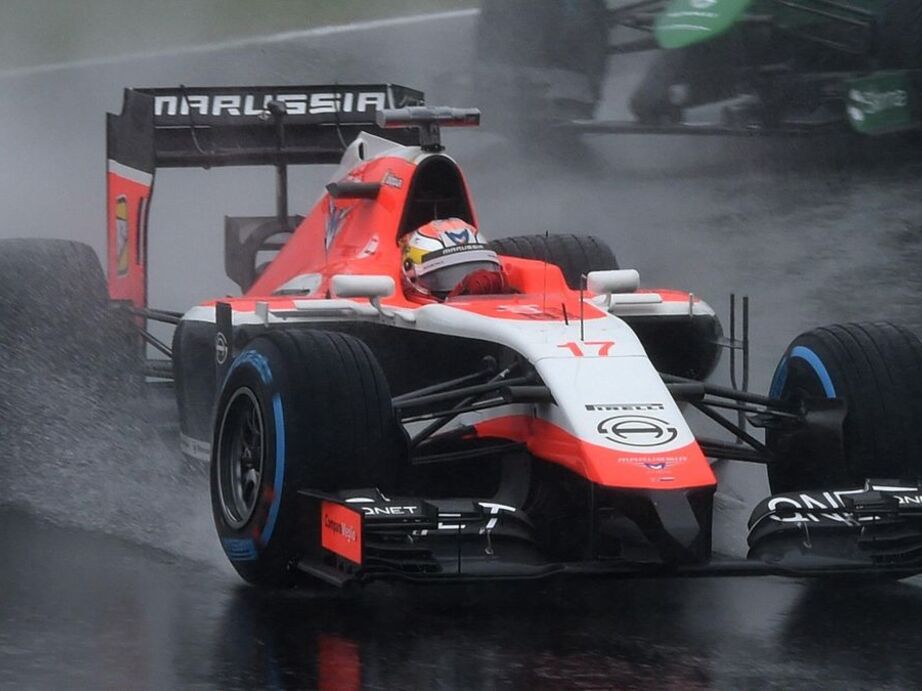
In early 2011, it became known that Nikolay Fomenko had been appointed head of the engineering department at Marussia Virgin Racing. However, this F1 team was not very successful.
At the end of 2011, the company decided to stop producing the B1 and focus solely on the B2 model. In total, 19 cars were made, including those produced for crash tests.
Other projects were put on hold, and the company shifted its focus to a new model that was to be manufactured in Finland, among other locations, at the facilities of Valmet Automotive. Valmet specialists studied the design and acted as consultants during the redesign process.
Since the cars were to be assembled primarily in Finland, supplier requirements became more stringent. European suppliers were chosen for many components, including carbon-fiber body panels. An agreement was reached with the Italian company Officine Italiana Compositi for their production.
Production continued during the redesign phase, so cars were still being assembled, but now from a mix of old and new parts. Consequently, many cars were hybrids of generations — for example, an older cockpit and body combined with a newer engine, suspension, and interior developed in Finland.
In 2012, the company opened a showroom in Monaco, where several cars were displayed and became a popular tourist attraction.
In 2013, the Marussia B3 was built — the third body variant of the sports car, produced as a single prototype. The project was never completed.
The final Marussia B2 was painted brown and was built at the end of 2013 or early 2014. It became the 12th car produced.
On April 8, 2014, the company was declared bankrupt. The main reason was the irrational distribution of funding. Nikolay Fomenko was very ambitious about Marussia’s future and launched too many projects, attempting to develop both the Formula 1 team and the car brand simultaneously. He wanted to expand the company’s model range by adding the F2, B3, and a roadster. A large portion of funds was spent on design and prototype development, but the only civilian models ever released were the B1 and B2.
After the bankruptcy, some cars were dismantled, some were given away, and others were abandoned.
Although the company was not commercially successful, it created a number of beautiful and unique cars and secured an important place in the modern history of Russian automobile manufacturing.


Videos
Empty List
Gallery
No images available.

