




Lamborghini SC20

Düsseldorf, North Rhine-Westphalia, Germany

92 Likes

6 Spotted

3 Garage

36 Lists

0 Shares

74% Filled


11 Contributors
Car Timeline
Location
Collection
Events
Racing
Museum
Sales
 Log in
Log in
Log in
Log in
Log in
Log in
Information
Lamborghini SC20
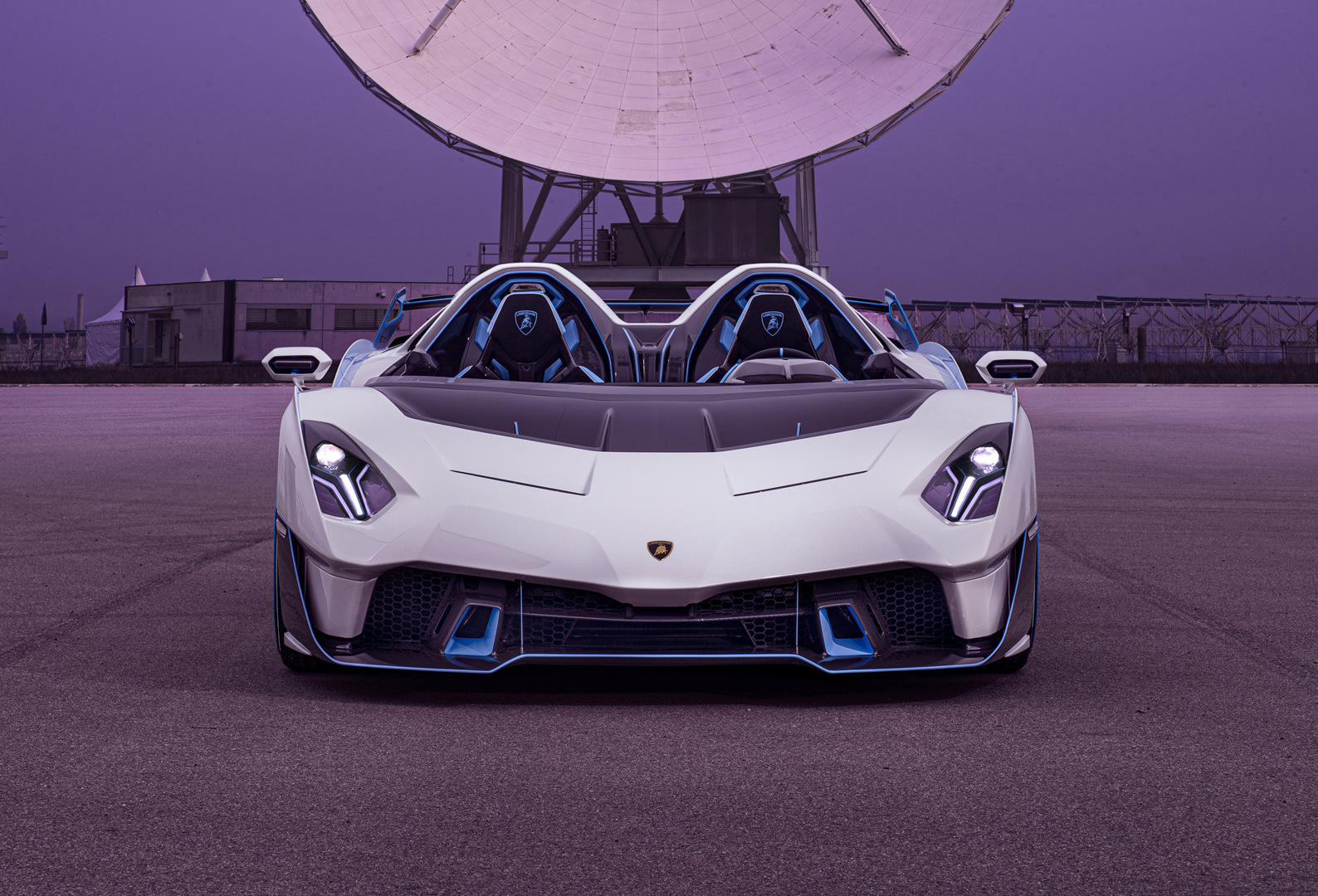
The Lamborghini SC20 was the second commission made by Sant’Agata Bolognese’s Motorsport Department, or better known as Lamborghini Squadra Corse . Their first commission was made by the same collector and was the Lamborghini SC18 Alston, but with the SC20, the plan was completely different. The plan was to take what Squadra Corse had learned in racing and put that into making the most extreme open version of a road-legal V12 supercar . The commissioner worked with Lamborghini’s in-house design department, Lamborghini Centro Stile, from the very first concept drawing. Inspiration was drawn from all corners of the Lamborghini portfolio, including the Diablo VT Roadster, Aventador J, Veneno, and the Concept S. With the design department working, Squadra Corse was responsible for applying the aerodynamic knowledge gained from the Essenza SCV12 and incorporating it into the SC20.
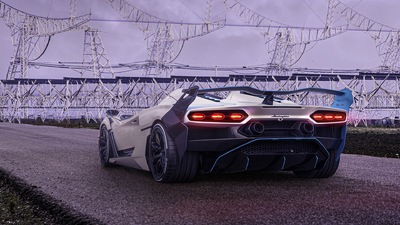
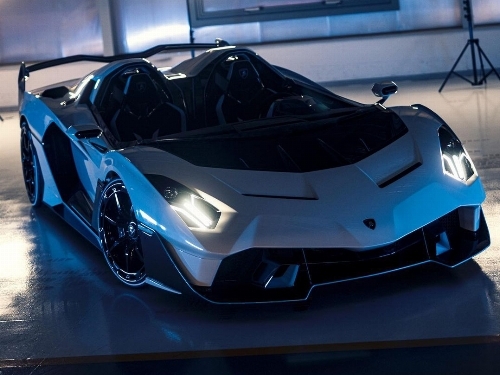
No expense was spared with the all of the bodywork being made out of carbon fiber and having aerodynamics at the forefront of the design. The massive rear wing has three modes: low, medium, and high load. The front is heavily inspired by the Lamborghini Veneno with an aggressive front splitter, framed by a pair of fins. The hood employs aerodynamic tricks learned from the Huracan GT3 EVO, featuring hood intakes to keep occupants comfortable. The headlights are complete one-offs with no plans to produce another set. Down the sides, there are inlets and blades from the Exxenza SCV12, but the design keeps Lamborghini’s trademark ‘Gandini’ line, without compromising the aerodynamic focus. All of the carbon fiber was painted in Bianco Fu with a Blu Cepheus livery to contrast.
The interior is the focal point of the car, with passenger comfort being high on the priority list, with aerodynamics being key. To achieve this, each panel was made out of carbon fiber and was hand-polished to ensure peak aerodynamic efficiency. All of this was done so that no matter what speed they are going, both occupants can move freely and comfortably. In addition to the aerodynamics, the interior is trimmed in the same Blu Cepheus and Bianco Fu as the exterior, but this time on Nero Cosmus Alcantara. All around the seats is visual carbon fiber that makes up the seatbacks, door panels, steering wheel trim, and center console. Everything that wasn’t trimmed in Alcantara or leather was finished in visual carbon fiber, including the monocoque chassis. The only exception to this was the air vents, which were 3D printed, and the door handles, which were milled from a solid aluminum block.
Powering this special one-off is the same powertrain from the Lamborghini Aventador SVJ, a 6.5L naturally aspirated V12. Producing 770 hp and 531lb-ft (720 Nm) of torque helps accelerate it from 0-62 mph (0-100 kph) in 2.5 seconds. All of this power goes to all four wheels through an optimized seven-speed ISR (Independent Shifting Rod) transmission. While there has been no confirmed top speed, it has been confirmed in testing, reaching a speed of 168 mph (270 kph), and is thought to be able to reach over 200 mph (321 kph)
Videos
Log in
 Details
 Specifics

Model Year
Log in

Color
Log in

Interior
Log in

Original Market Specification
Log in

Transmission
Log in

Drive
Log in

Plaque Number
Log in

VIN
Log in

Chassis
Log in

Engine Number
Log in

Last known km/miles
Log in

MSRP
Log in

Status
Log in

Datasource
Log in

Sale Link
--
Build Sheet
Log in
Belongings
Log in
Plates
Log in

