

4 Likes

13 Spotted

0 Garage

1 Lists

0 Shares

45% Filled

9 Contributors
Car Timeline
Location
Collection
Events
Racing
Museum
Sales
 Log in
Log in
Log in
Log in
Log in
Log in
Information
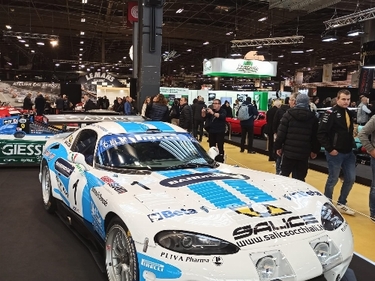
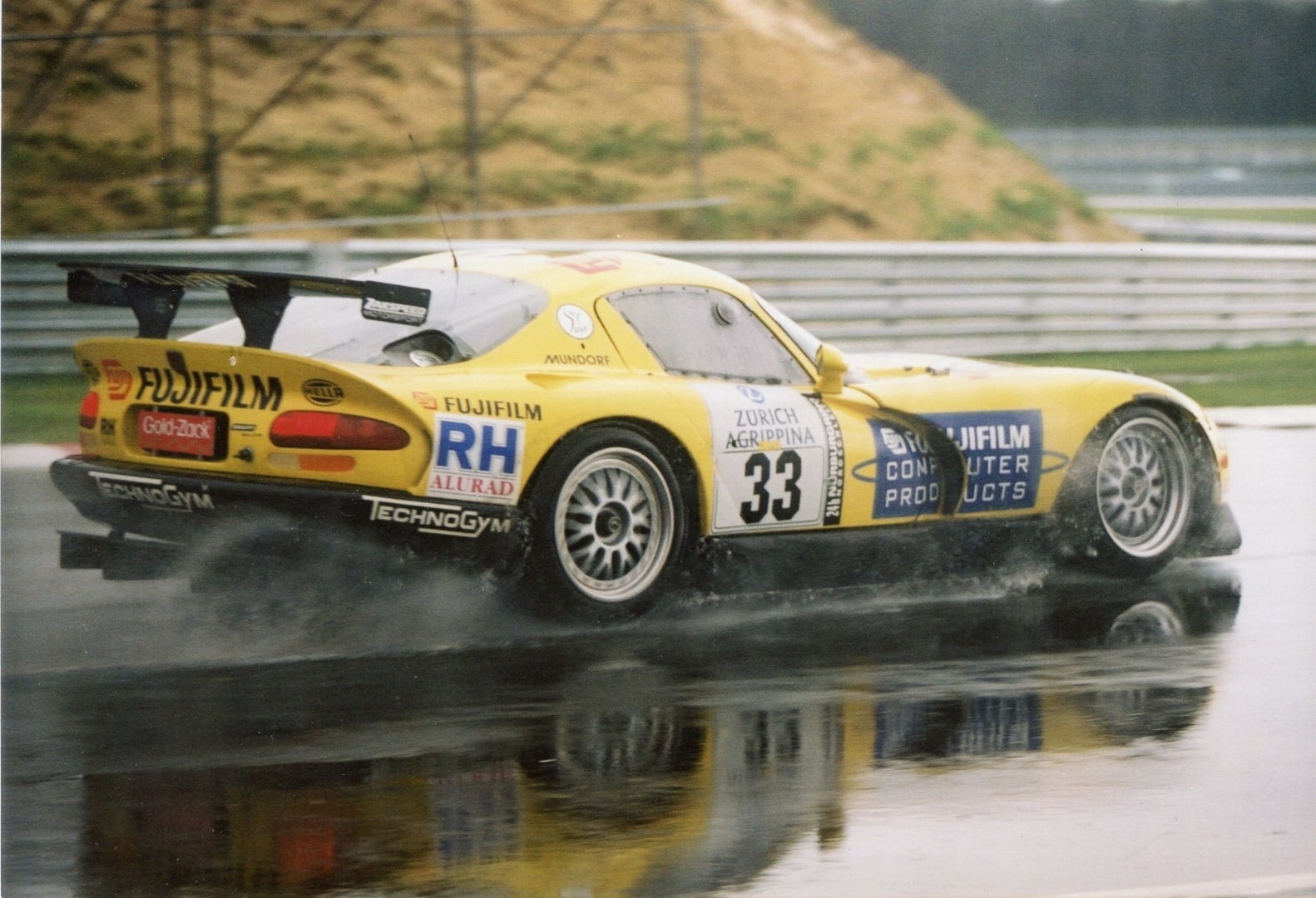
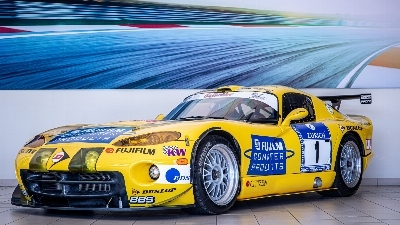
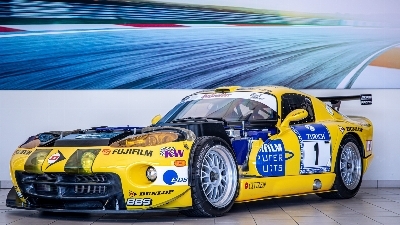
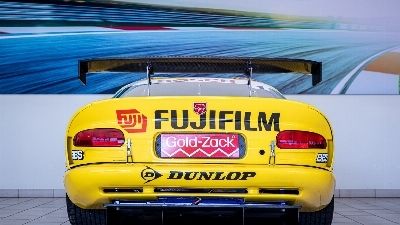
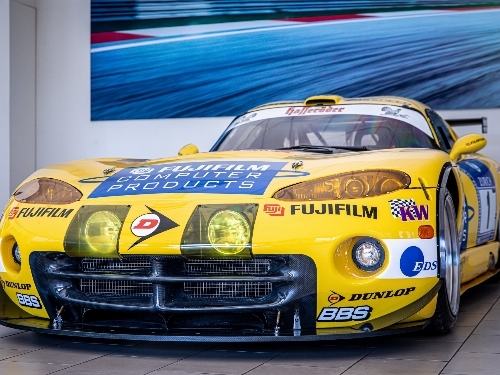
Chassis GTS-R C36 was built by Oreca in 2000 to then-current GT2 specifications for German racing team Zakspeed. Entering a car already proven in international GT competition, Zakspeed adapted GTS-R C36 for long-distance racing, particularly at the Nürburgring Nordschleife. It was converted for the 24h Nürburgring race 2000 with a fully opening rear to exchange the fuel tank during pit stops. This would've been faster than refueling the car. Organisers of the 24h Nürburgring race banned this solution hours before the start.
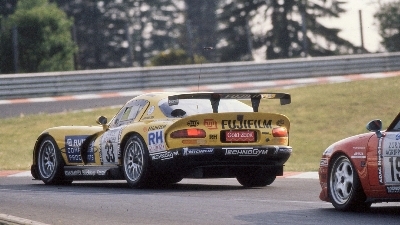
The car continued racing into 2002, securing a major career highlight by winning the Nürburgring 24 Hours outright, with Peter Zakowski joined by Pedro Lamy and Robert Lechner. By 2003, GTS-R C36 was at the center of Zakspeed’s increasingly creative responses to regulatory changes that sought to limit the competitiveness of the powerful 8.0-liter Viper. At that year’s Nürburgring 24 Hours, the car again finished first, but was ultimately disqualified due to fuel tank regulations. That same year, it also competed in the FIA GT 24 Hours of Spa-Francorchamps.
To get around new limitations on fuel capacity, Zakspeed implemented two controversial technical strategies with GTS-R C36. The first was a quick release fuel cell system, allowing the entire fuel tank to be swapped mid-race in seconds via the rear-opening bodywork. The second was a clever manipulation of the homologation paperwork, re-registering the car as a Dodge Viper instead of a Chrysler Viper, in an attempt to avoid the fuel load restrictions.
Despite attempts by the ADAC and other organizing bodies to neutralize the car through rules mandating a maximum engine displacement of 6.2 liters, Zakspeed found a workaround again in 2005. GTS-R C36’s engine was modified to meet this capacity limit by disabling two cylinders of the original V10, effectively converting it to a 6.2-liter V8 while still producing around 600 horsepower. That year, the car finished 3rd overall at the Nürburgring 24 Hours and won the A8 class.
Always retained by Zakspeed, GTS-R C36 was later restored and refitted with its original 8.0-liter V10 engine, along with the quick-change fuel system and swing-open rear bodywork. It comes with its DMSB Wagenpass, which documents homologation modifications including the manufacturer name change and displacement restrictions. Its VLN career includes five additional overall race victories beyond its 24-hour appearances, making GTS-R C36 one of the most successful and resilient examples of the Viper GTS-R lineage.
 Details
 Specifics

Model Year
Log in

Color
Log in

Interior
Log in

Original Market Specification
Log in

Transmission
Log in

Drive
Log in

Plaque Number
Log in

VIN
Log in

Chassis
Log in

Engine Number
Log in

Last known km/miles
Log in

MSRP
Log in

Status
Log in

Datasource
Log in

Sale Link
Build Sheet
Log in
Belongings
Log in
Plates
Log in
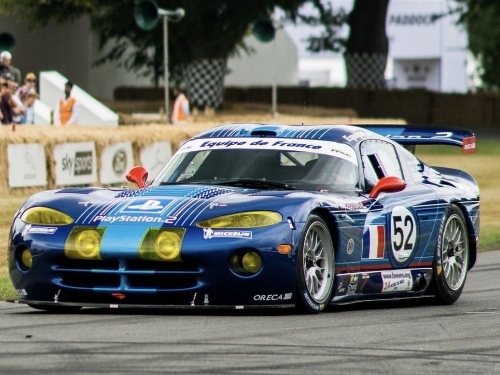
 Chrysler Viper GTS-R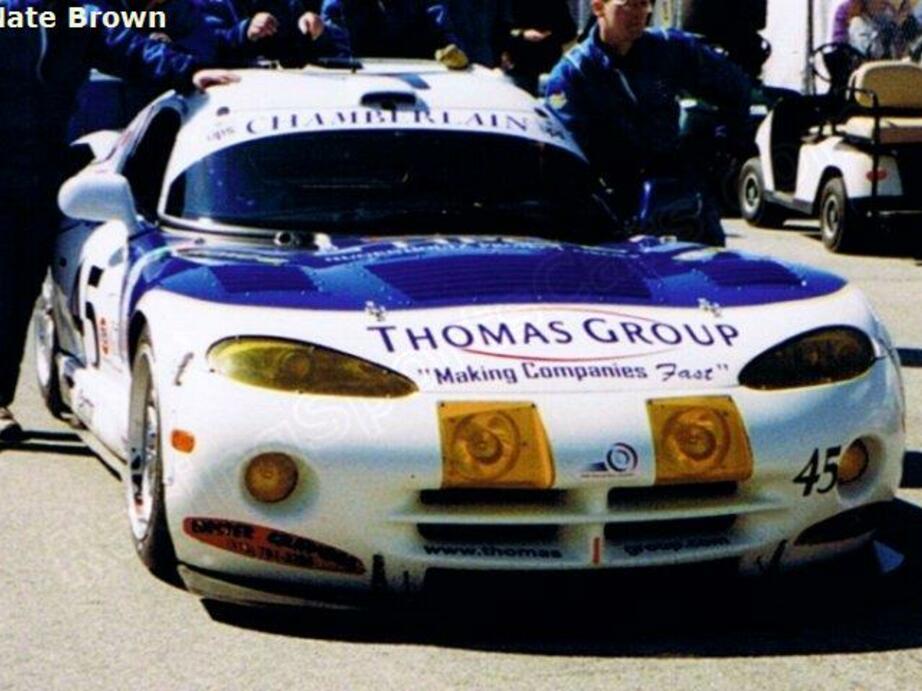
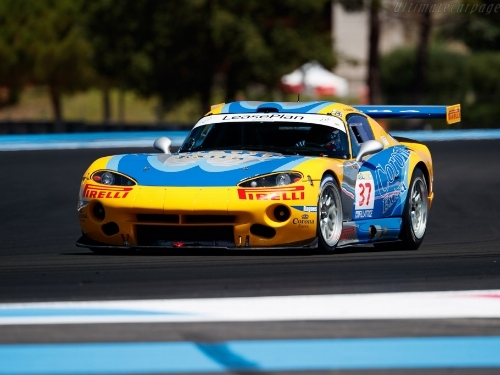
 Chrysler Viper GTS-R